Sustainability Justice
Sustainability and Environmental Justice means "protecting Indigenous ways of life, supporting food sovereignty, and supporting all communities right to healthy water, lands, air, and future generations." - from We Act for Environmental Justice.
Explore the library resources below to learn more. Curated in collaboration with the Fresno State Library, faculty from the Departments of Earth and Environmental Sciences, Africana Studies, American Indian Studies, staff from the Office of the Provost, and the Division for Equity and Engagement.
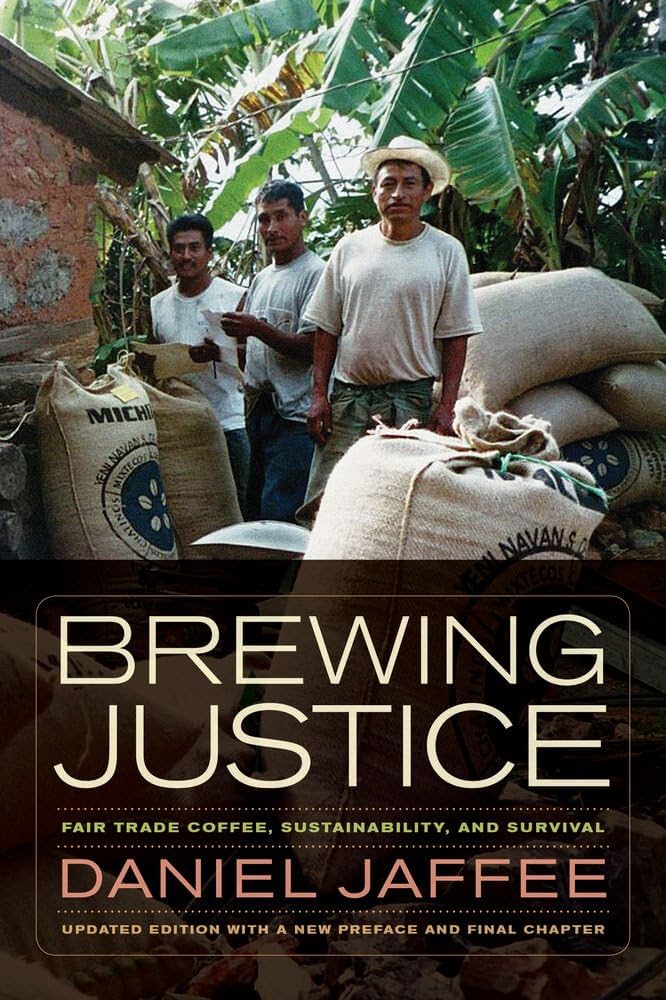
Brewing justice: fair trade coffee, sustainability, and survival
Fair trade is a fast-growing alternative market intended to bring better prices and greater social justice to small farmers around the world. But is it working? This vivid study of coffee farmers in Mexico offers the first thorough investigation of the social, economic, and environmental benefits of fair trade. Based on extensive research in Zapotec indigenous communities in the state of Oaxaca, Brewing Justice follows the members of the cooperative Michiza, whose organic coffee is sold on the international fair trade market. It compares these families to conventional farming families in the same region, who depend on local middlemen and are vulnerable to the fluctuations of the world coffee market. Written in a clear and accessible style, the book carries readers into the lives of these coffee producer households and their communities, offering a nuanced analysis of both the effects of fair trade on everyday life and the limits of its impact. Brewing Justice paints a clear picture of the complex dynamics of the fair trade market and its relationship to the global economy. Drawing on interviews with dozens of fair trade leaders, the book also explores the changing politics of this international movement, including the challenges posed by the entry of transnational corporations into the fair trade system. It concludes by offering recommendations for strengthening and protecting the integrity of fair trade
The intersectional environmentalist : how to dismantle systems of oppression to protect people + planet by Leah Thomas
The Intersectional Environmentalist examines the inextricable link between environmentalism, racism, and privilege, and promotes awareness of the fundamental truth that we cannot save the planet without uplifting the voices of its people--especially those most often unheard. Thomas shows how not only are Black, Indigenous and people of color unequally and unfairly impacted by environmental injustices, but she argues that the fight for the planet lies in tandem to the fight for civil rights; and in fact, that one cannot exist without the other. An essential read, this book addresses the most pressing issues that the people and our planet face, examines and dismantles privilege, and looks to the future as the voice of a movement that will define a generation

The Dreamt Land by Mark Arax
A vivid, searching journey into California's complicated relationship to its water, from the Gold Rush to today : an epic story of the struggle to overcome the constraints of nature. Mark Arax is from a family of Central Valley farmers, a writer with deep ties to the land, who has watched as the battles over water have intensified even as the state lurches from drought to flood and back again. In The Dreamt Land he travels the state to explore the century-old water distribution system that is straining to keep up with California's relentless growth. This is a heartfelt, beautifully written book about land and the people who work on it, from the gold miners to the ranchers to the small farmers and today's big ag.
Climate justice and participatory research: building climate-resilient commons
Climate catastrophe throws into stark relief the extreme, life-threatening inequalities that affect millions of lives worldwide. The poorest and most marginalized, who are least responsible for the consumption and emissions that create climate change, are the first and hardest impacted, and the least able to protect themselves. Climate justice is simultaneously a movement, an academic field, an organizing principle, and a political demand.
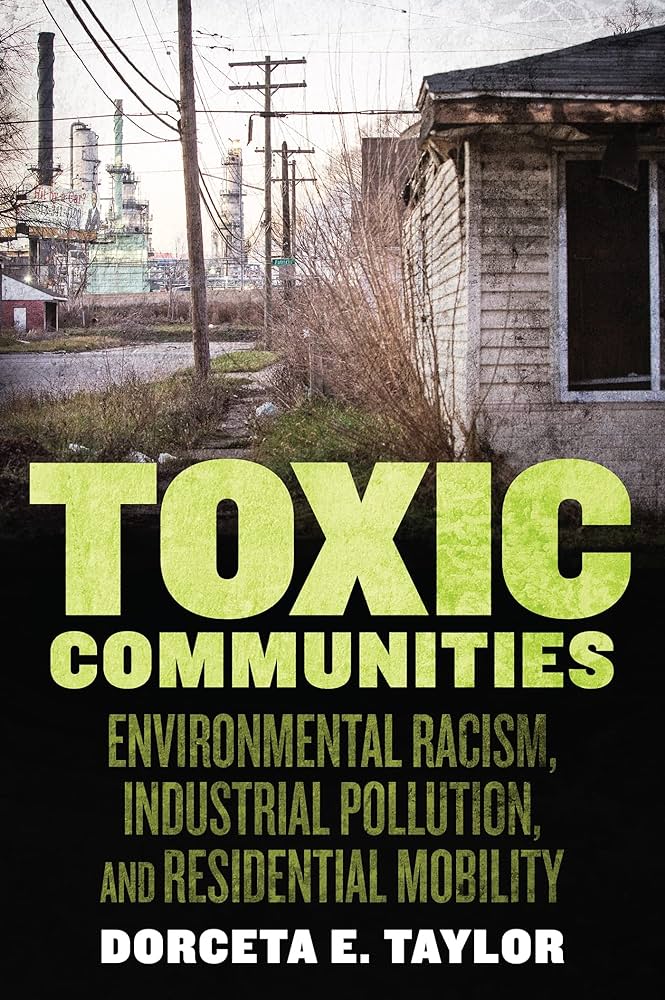
Toxic Communities: Environmental Racism, Industrial Pollution, and Residential Mobility by Dorceta E. Taylor
Taylor investigates how low-income communities of color in the United States are disproportionately exposed to toxic pollutants due to discriminatory policies and practices. She also explores ways in which these communities have organized to fight for greater environmental protections.
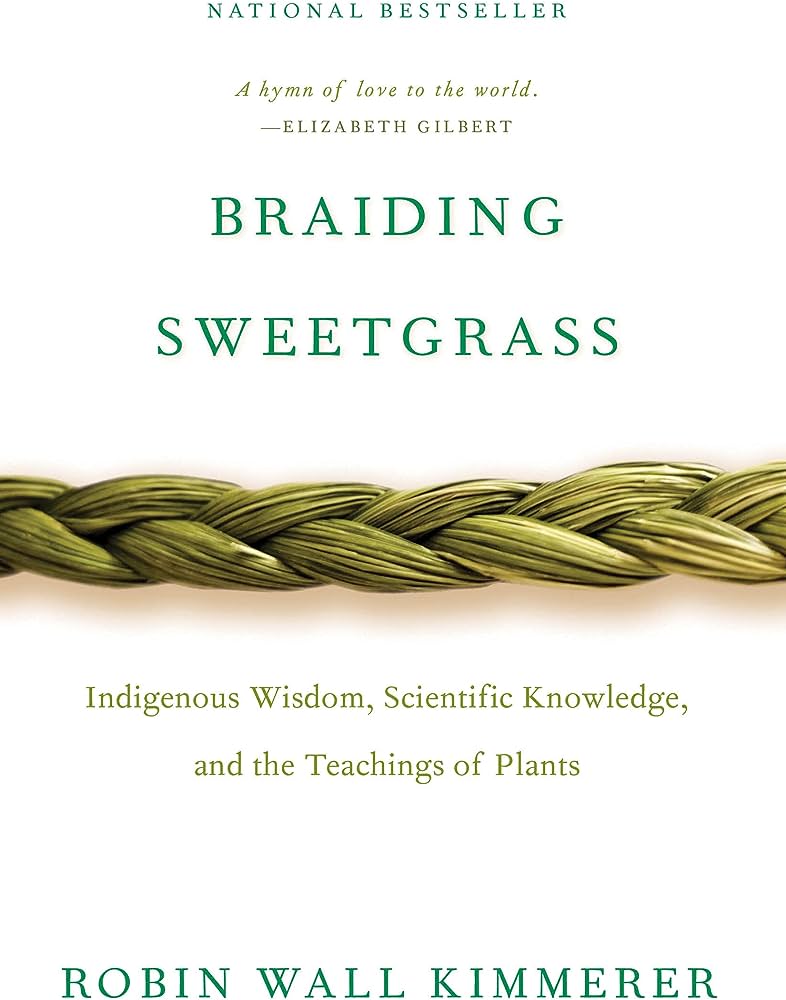
Braiding Sweetgrass: Indigenous Wisdom, Scientific Knowledge, and the Teachings of Plants by Robin Wall Kimmerer
This book weaves together traditional Indigenous knowledge with modern scientific understanding to explore our relationship with plants and the natural world. Kimmerer argues that caring for the earth is a reciprocal relationship that benefits both humans and nonhuman beings.
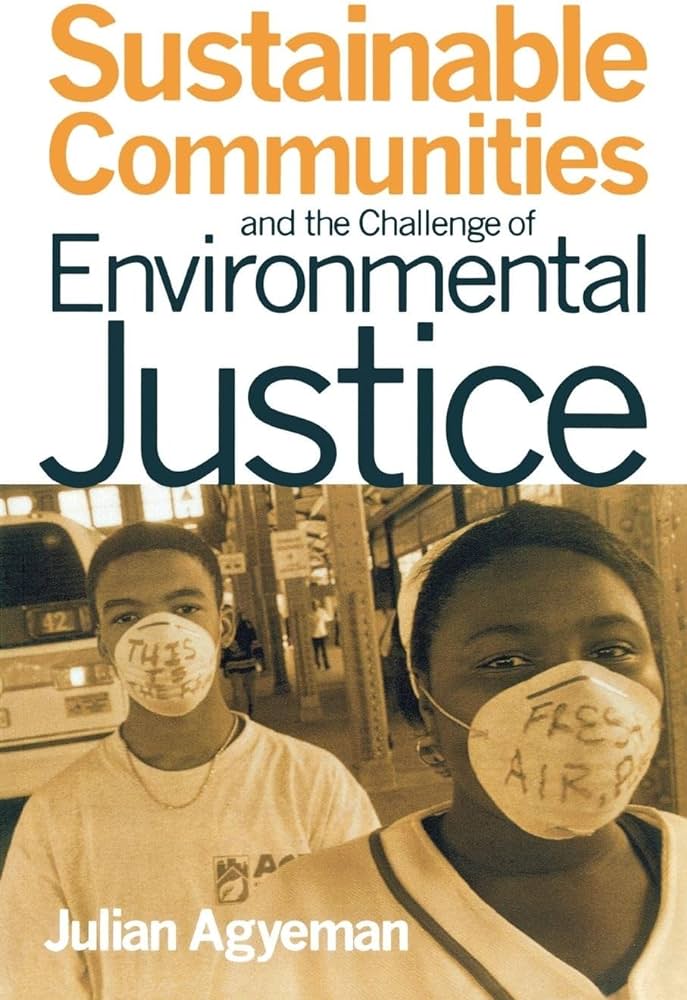
Sustainable communities and the challenge of environmental justice
Popularized in the movies Erin Brockovich and A Civil Action, "environmental justice" refers to any local response to a threat against community health. In this book, Julian Agyeman argues that environmental justice and the sustainable communities movement are compatible in practical ways. Yet sustainability, which focuses on meeting our needs today while not compromising the ability of our successors to meet their needs, has not always partnered with the challenges of environmental justice. Sustainable Communities and the Challenge of Environmental Justice explores the ideological differences between these two groups and shows how they can work together. Agyeman provides concrete examples of potential model organizations that employ the types of strategies he advocates. This book is vital to the efforts of community organizers, policymakers, and everyone interested in a better environment and community health.

Growing California Native Plants
With 200 new color photographs, drawings, maps, and charts, this concise and easy-to-use reference covers trees, shrubs, perennials, annuals, bulbs, grasses, and vines, and includes a plant selection guide for quick reference. The authors, whose combined experience spans six decades, take California's summer-dry climate and restricted water supplies into account and provide helpful notes on companion plants and gardening with wildlife.

The Pursuit of ecotopia: lessons from indigenous and tradtional societies for the human ecology of our modern world
Tibetans preserved whole mountains as sacred sites on which it was forbidden to cut trees or kill animals. The world environmental and social justice crises brought on by our high-throughput global economy can be ameliorated only if we creatively and urgently adapt the pragmatic ethics of social cohesion in traditional societies to the modern world." "Traditional societies have much to teach the modern world about conservation and environmental management. The Pursuit of Ecotopia: Lessons from Indigenous and Traditional Societies for the Human Ecology of Our Modern World argues that the root of our environmental crisis is that we have not devised modern ways to induce people with diverse interests to think and act cooperatively to secure shared interests. We take a short-term, narrow view of resource management and ethical conduct instead of a long-term, global view of "ecotopia"
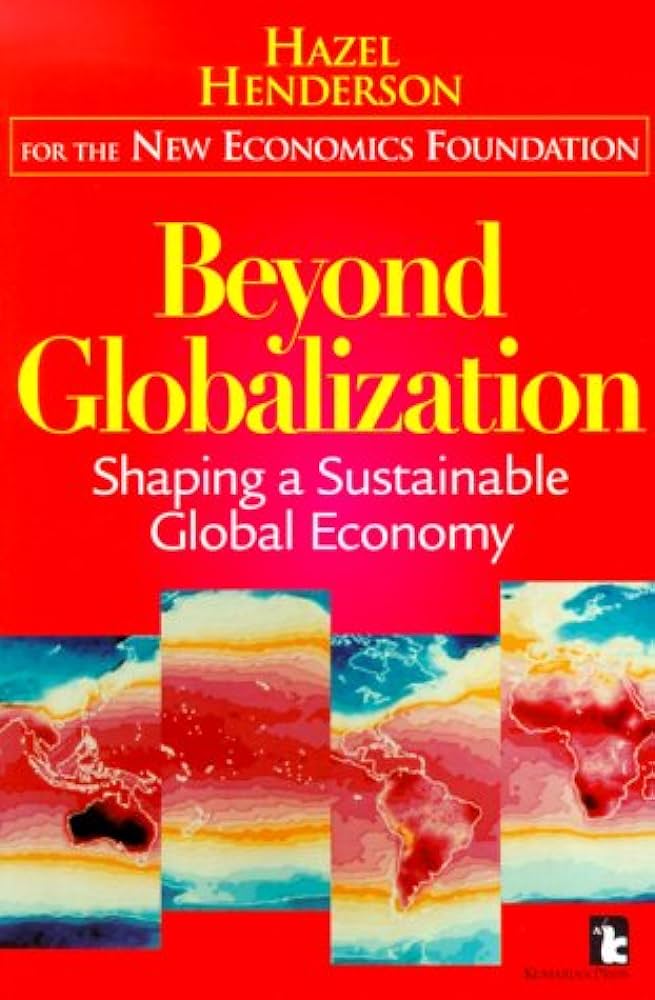
Beyond globalization: shaping a sustainable global economy
Hazel Henderson offers a critique of globalization which is creating a bubble economy at the cost of real, more local enterprises and livelihoods. She argues for the use of systems thinking and a more holistic approach as a way of breaking out of the narrow prism of GDP and market pricing that dominates conventional economic thinking. She sets out a panoramic vision of the changes required to reshape the global economy towards social justice and sustainability at every level from the global to the local and personal."

Should We All Be Vegan? A Primer for the 21st Century by Molly Watson
As concern grows over the environmental costs and ethical implications of intensive factory farming, an increasing number of people are embracing diets and lifestyles free from animal products. Should We All Be Vegan? gives a fluid and engaging account of the evolution of veganism. Watson evaluates every angle of the debate on veganism in this primer, reviewing the evidence for its effects on health and assessing the ethics, environmental impact, and feasibility of adopting a vegan lifestyle worldwide.
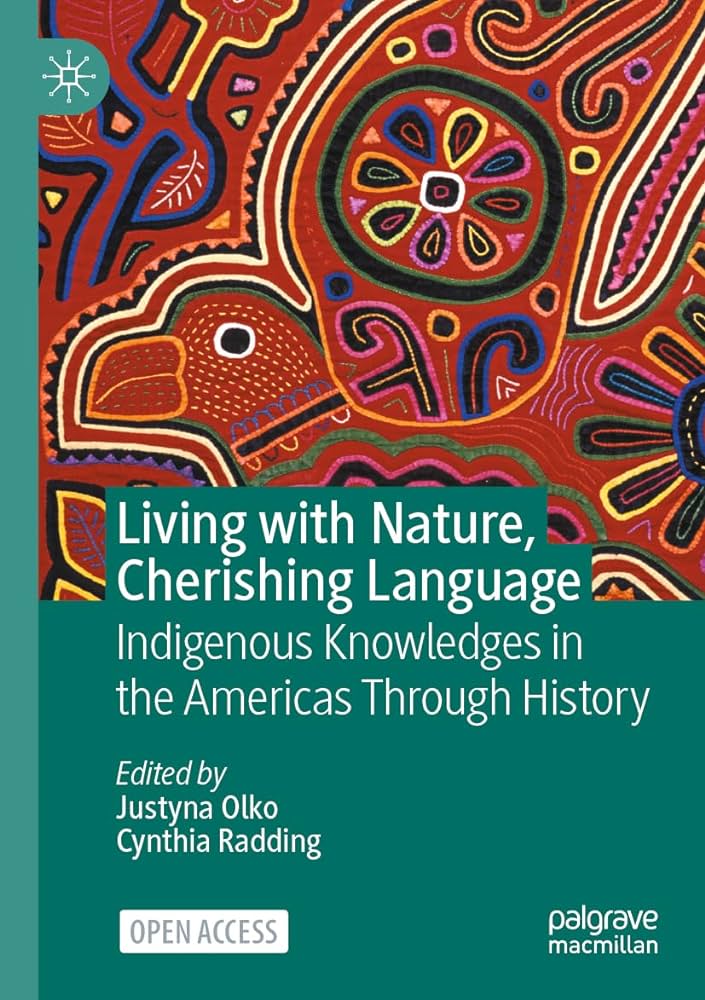
Living with Nature, Cherishing Language : Indigenous Knowledges in the Americas Through History.
This open access book explores the deep connections between environment, language, and cultural integrity, with a focus on Indigenous peoples from early modern times to the present. It illustrates the close integration of nature and culture through historical processes of environmental change in North, Central, and South America and the nurturing of local knowledge through ancestral languages and oral traditions. This volume fills a unique space by bringing together the issues of environment, language and cultural integrity in Latin American historical and cultural spheres
Green education: an A-to-Z guide
This volume explores the environmental movement's proliferation in the field of education, from elementary school classroom efforts to the university curriculum to building sustainable campuses. Focusing on the critical role of education in building a sustainable future, approximately 150 signed entries, written by scholars and experts in a variety of disciplines, examine school and college courses in green education, the structures of educational institutions, the challenges of reducing their ecological footprint, administrative policies, green campus organizations, and student and faculty participation. The editors have included photographs, hyperlinks, cross references, and a resource guide.
Building the green economy: success stories from the grassroots
After centuries of economic activity based on extraction, exploitation, and depletion, we now face undeniable environmental threats. New business models that save or restore natural resources are critical, but how can we translate that insight into more sustainable practices? This book shows how community groups, families, and individual citizens have taken action to protect their food and water, clean up their neighborhoods, and strengthen their local economies. Their unlikely victories -- over polluters, unresponsive bureaucracies and unexamined routines -- dramatize the opportunities and challenges facing the local green economy movement. Drawing on their extensive experience at Global Exchange and elsewhere, the authors also lay out strategies for a more successful green movement, describe how communities have protected their victories from legal and political challenges, and provide key resources for local activists. Includes conversations with Rocky Anderson, Lois Gibbs, Anuradha Mittal, David Morris, Michael Shuman, and other activists and leaders.
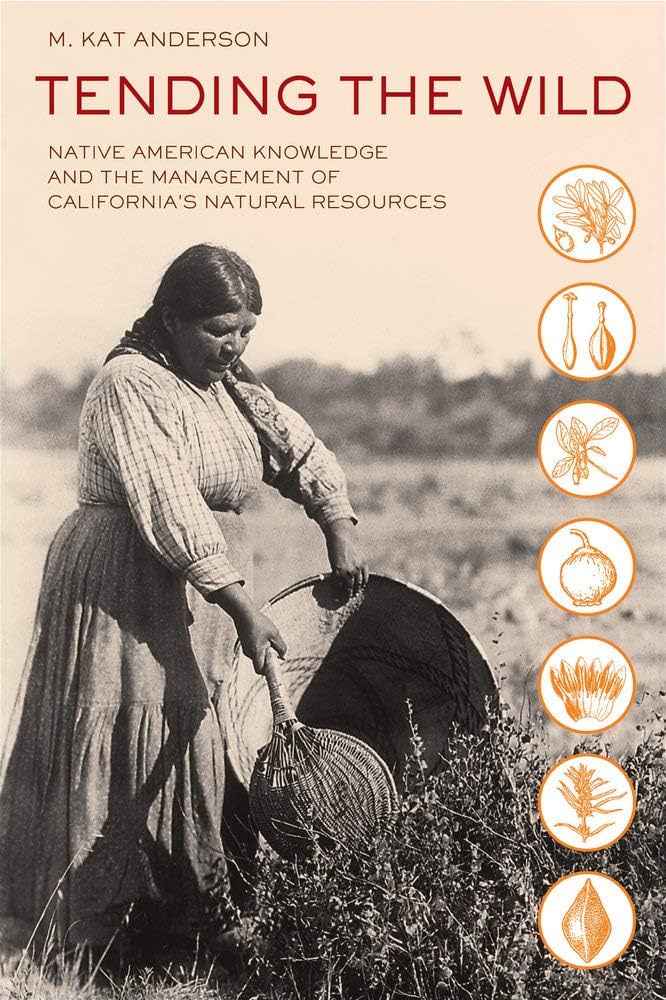
Tending the Wild: Nation American knowledge and the management of California's natural resources by Kat Anderson
John Muir was an early proponent of a view we still hold today-that much of California was pristine, untouched wilderness before the arrival of Europeans. But as this groundbreaking book demonstrates, what Muir was really seeing when he admired the grand vistas of Yosemite and the gold and purple flowers carpeting the Central Valley were the fertile gardens of the Sierra Miwok and Valley Yokuts Indians, modified and made productive by centuries of harvesting, tilling, sowing, pruning, and burning. Marvelously detailed and beautifully written,Tending the Wildis an unparalleled examination of Native American knowledge and uses of California's natural resources that reshapes our understanding of native cultures and shows how we might begin to use their knowledge in our own conservation efforts.
Soil : the story of a Black mother's garden
Poet and scholar Camille T. Dungy recounts the seven-year odyssey to diversify her garden in the predominantly white community of Fort Collins, Colorado. When she moved there in 2013, the community held restrictions about what residents could and could not plant in their gardens. In resistance to the homogenous policies that limited the possibility and wonder that grows from the earth, Dungy employs the various plants, herbs, vegetables, and flowers she grows in her garden as metaphor and treatise for how homogeneity threatens the future of our planet, and why cultivating diverse and intersectional language in our national discourse about the environment is the best means of protecting it.
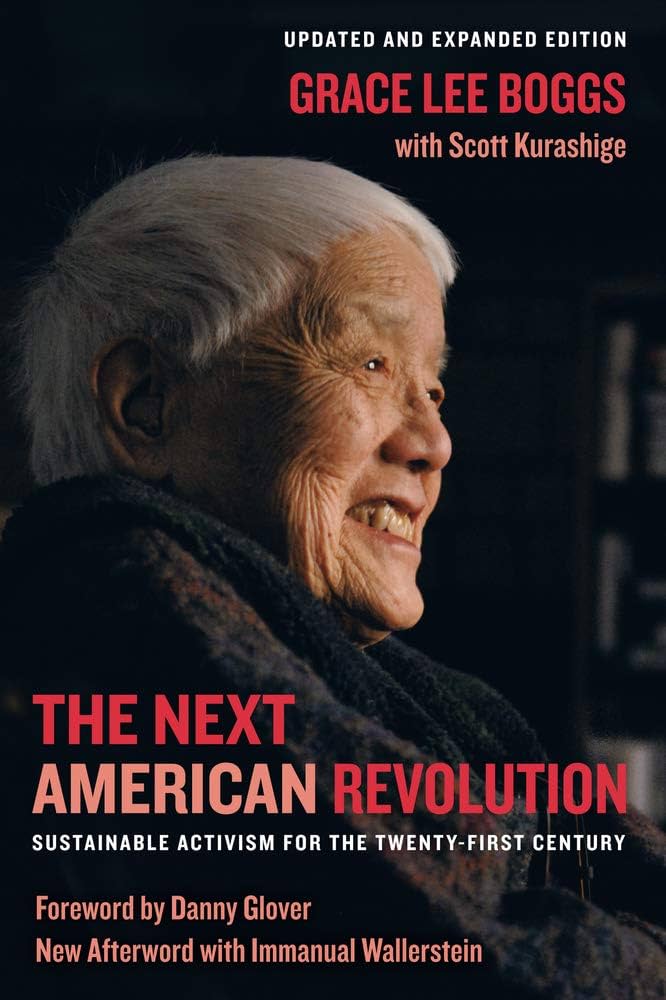
The next American revolution: sustainable activism for the twenty-first century
A world dominated by America and driven by cheap oil, easy credit, and conspicuous consumption is unraveling before our eyes. In this powerful, deeply humanistic book, Grace Lee Boggs, a legendary figure in the struggle for justice in America, shrewdly assesses the current crisis-political, economical, and environmental-and shows how to create the radical social change we need to confront new realities. A vibrant, inspirational force, Boggs has participated in all of the twentieth century's major social movements-for civil rights, women's rights, workers' rights, and more. She draws from seven decades of activist experience, and a rigorous commitment to critical thinking, to redefine "revolution" for our times. From her home in Detroit, she reveals how hope and creativity are overcoming despair and decay within the most devastated urban communities. Her book is a manifesto for creating alternative modes of work, politics, and human interaction that will collectively constitute the next American Revolution
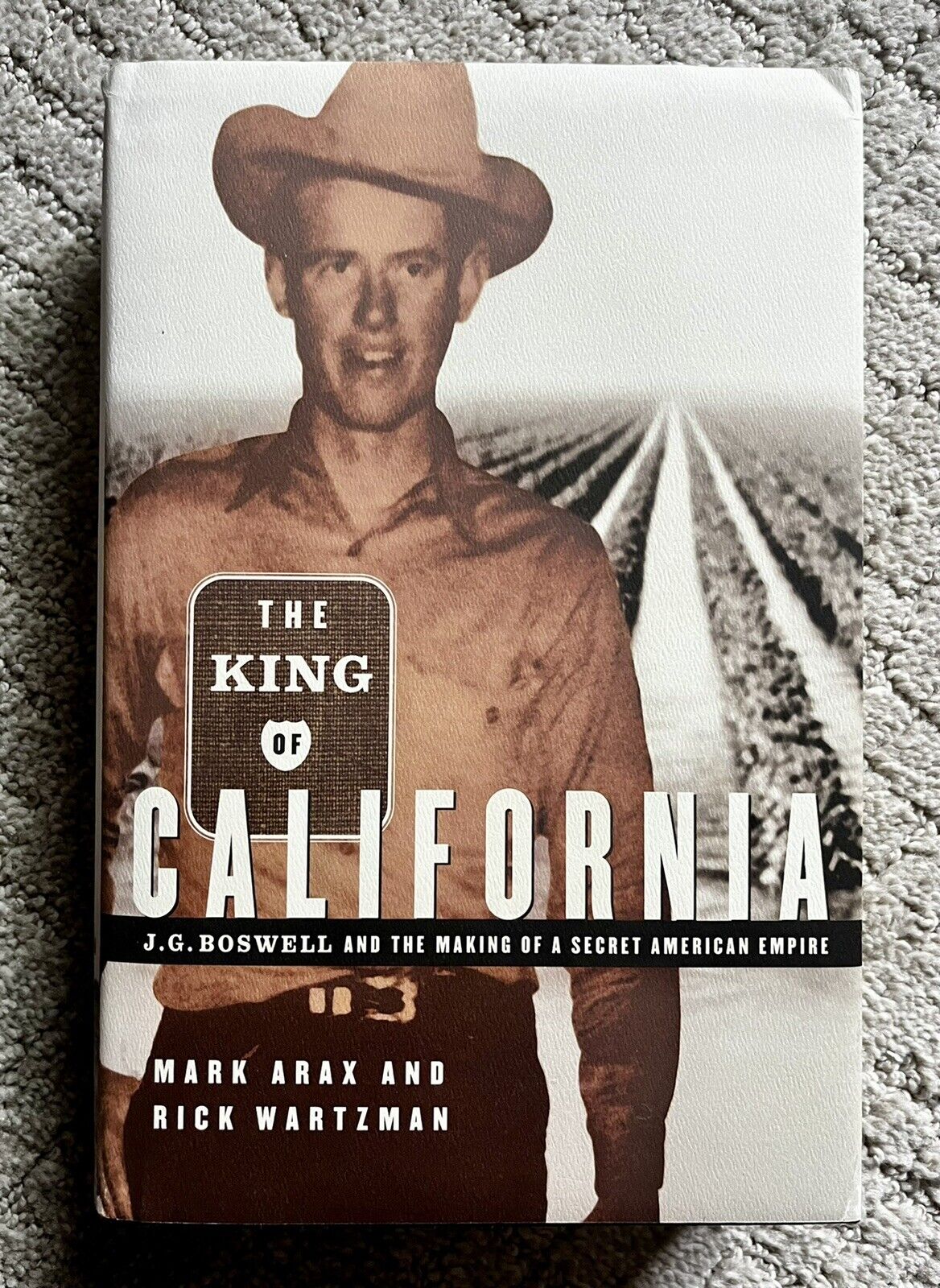
The King Of California: J.G. Boswell and the Making of A Secret American Empire by Mark Arax & Rick Wartzman
The fascinating story of a cotton magnate whose voracious appetite for land drove him to create the first big agricultural empire of the Central Valley of California, and shaped the landscape for decades to come. J.G. Boswell was the biggest farmer in America. He built a secret empire while thumbing his nose at nature, politicians, labor unions and every journalist who ever tried to lift the veil on the ultimate “factory in the fields.” The King of California is the previously untold account of how a Georgia slave-owning family migrated to California in the early 1920s, drained one of America ‘s biggest lakes in an act of incredible hubris and carved out the richest cotton empire in the world. Much more than a business story, this is a sweeping social history that details the saga of cotton growers who were chased from the South by the boll weevil and brought their black farmhands to California. It is a gripping read with cameos by a cast of famous characters, from Cecil B. DeMille to Cesar Chavez.
Superman’s Not Coming: Our National Water Crisis and What We the People Can Do About It by Erin Brockovich
Brockovich warns that America's water crisis isn't looming on the horizon--it's already here. Superman Isn't Coming makes clear that the most precious resource on planet Earth is alarmingly polluted by toxins, hazardous waste, lead, fracking chemicals, and more. Brockovich makes clear why we are in the trouble we're in, and how we each can take small and large actions and change troubling conditions. She writes about the effects of climate change that have caused droughts in some areas and flooding in others, and shows how this is affecting us economically as well as destroying lives and property. She lays out the facts, and gives us the tools to take steps--large and small--to make changes in our own counties, cities and towns, and help to preserve our selves, our water, our planet
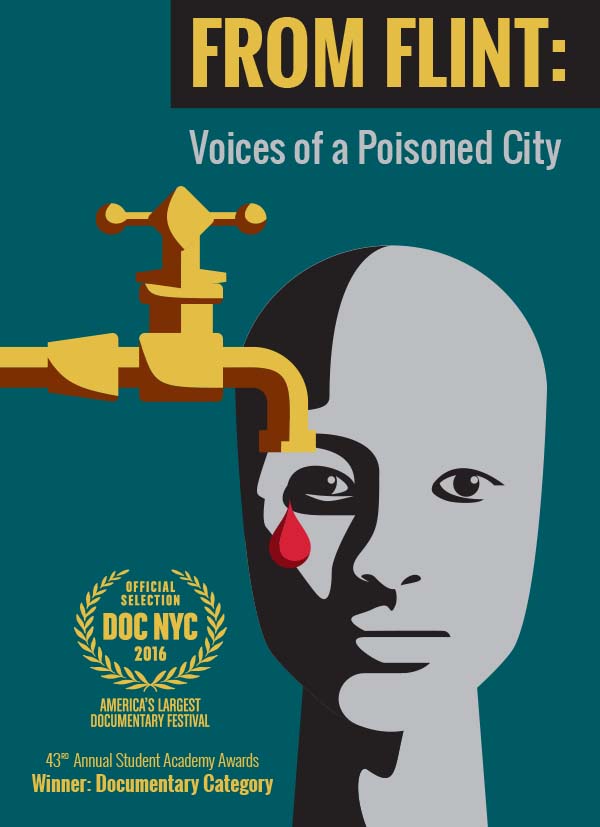
From Flint: Voices of a Poisoned City: Investigating the Michigan Water Crisis (2016)
From Flint goes beyond the news headlines to spotlight the impact of the devastating water contamination crisis on the people of Flint, Michigan. The film highlights the stories of residents who were personally injured, along with the work of local organizations and individuals that rallied to support them.

Black Faces, White Spaces: Reimagining the Relationship of African Americans to the Great Outdoors by Carolyn Finney
Why are African Americans so underrepresented when it comes to interest in nature, outdoor recreation, and environmentalism? In this thought-provoking study, Carolyn Finney looks beyond the discourse of the environmental justice movement to examine how the natural environment has been understood, commodified, and represented by both white and black Americans. Bridging the fields of environmental history, cultural studies, critical race studies, and geography, Finney argues that the legacies of slavery, Jim Crow, and racial violence have shaped cultural understandings of the "great outdoors" and determined who should and can have access to natural spaces. Drawing on a variety of sources from film, literature, and popular culture, and analyzing different historical moments, including the establishment of the Wilderness Act in 1964 and the aftermath of Hurricane Katrina, Finney reveals the perceived and real ways in which nature and the environment are racialized in America.

Evolution of a Movement : Four Decades of California Environmental Justice Activism
Using California case studies from the past three decades, Perkins explores the successes and failures of the environmental justice movement in one of the country's most environmentally progressive states. She traces how demographic, political, and economic forces have shaped the development of the environmental justice movement in the states and explains why that matters for national EJ activism. Drawing on archival research and 125 interviews with activists from Sacramento to the California-Mexico border, Perkins explains the long history of environmental justice activism in California, complicating the accepted origins of environmental justice in the US South.

The Quest for Environmental Justice by Rober Bullard
Dr. Bullard has assembled a collection of essays that capture the voices of frontline warriors who are battling environmental injustice and human rights abuses at the grassroots level around the world and challenging government and industry policies and globalization trends that place people of color and the poor at special risk. Part I presents an overview of the early environmental justice movement and highlights key leadership roles assumed by women activists. Part II examines the lives of people living in "sacrifice zones"--toxic corridors (such as Louisiana's infamous "Cancer Alley") where high concentrations of polluting industries are found. Part III explores land use, land rights, resource extraction, and sustainable development conflicts, including Chicano struggles in America's Southwest. Part IV examines human rights and global justice issues, including an analysis of South Africa's legacy of environmental racism and the corruption and continuing violence plaguing the oil-rich Niger delta.
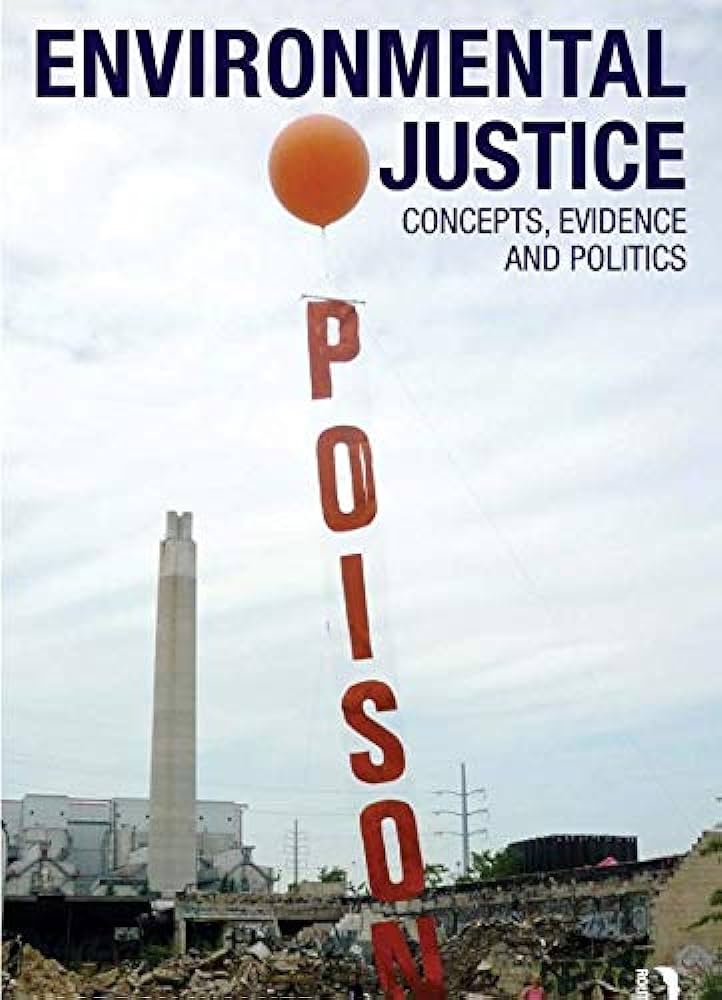
Environmental Justice: Concepts, Evidence and Politics edited by Gordon Walker
Does pollution follow the poor? Are some communities far more vulnerable to the impacts of flooding or climate change than others? Are the benefits of access to green space for all, or only for some? Do powerful voices dominate environmental decisions to the exclusion of others? Environmental Justice offers a wide ranging analysis of this rapidly evolving field, with compelling examples of the processes involved in producing inequalities and the challenges faced in advancing the interests of the disadvantaged. It provides a critical framework for understanding environmental justice in various spatial and political contexts, and will be of interest to those studying Environmental Studies, Geography, Politics and Sociology.

Environmental Justice As Decolonization by Julia Miller Cantzler
Presenting rich narratives of conquest and resistance, domination and resilience, and marginalization and revitalization, the author uncovers the fundamentally cultural, political and ecological dynamics of colonization and explores the key mechanisms through which Indigenous assertions of rights to natural resources can systematically transform enduring political and cultural vestiges of colonization. A study of environmental justice as a fundamental ingredient in broader processes of decolonization, Environmental Justice as Decolonization will appeal to scholars of sociology, anthropology, environmental studies, law and Indigenous studies.
The Sacred Balance : Rediscovering our place in nature by David Suzuki
Suzuki analyzes those deep spiritual needs, rooted in nature, that are a crucial component of a loving world. Drawing on his own experiences and those of others who have put their beliefs into action, The Sacred Balance is a powerful, passionate book with concrete suggestions for creating an ecologically sustainable, satisfying, and fair future by rediscovering and addressing humanity’s basic needs.
Environmentalism and Economic Justice: Two Chicano Struggles in the Southwest by Laura Pulido
Environmentalism and Economic Justice spotlights another front in the ongoing wars over environmental issues, a front being fought by Chicano communities in the American Southwest. The book concentrates on struggles surrounding both the 1965-71 pesticide campaign of the United Farm Workers and a grazing conflict involving a Hispano cooperative and mainstream environmentalists in northern New Mexico. Within these stories, readers will find broader implications for understanding how minority groups are using available resources to mobilize and improve their social, economic, and environmental conditions.

Mexican Americans and the Environment: Tierra y Vida by Devon Pena
This book explores the relationship between ecology and culture in the Mexican American experience, showing students its relevance in the context of environmental risks that affect all of us. It addresses the struggle for environmental justice, grassroots democracy, and a sustainable society from a variety of Mexican American perspectives, drawing on the ideas and experiences of people from all walks of life - activists, farmworkers, union organizers, land managers, educators, and many others - who provide a clear overview of the most critical ecological issues facing Mexican-origin people today.
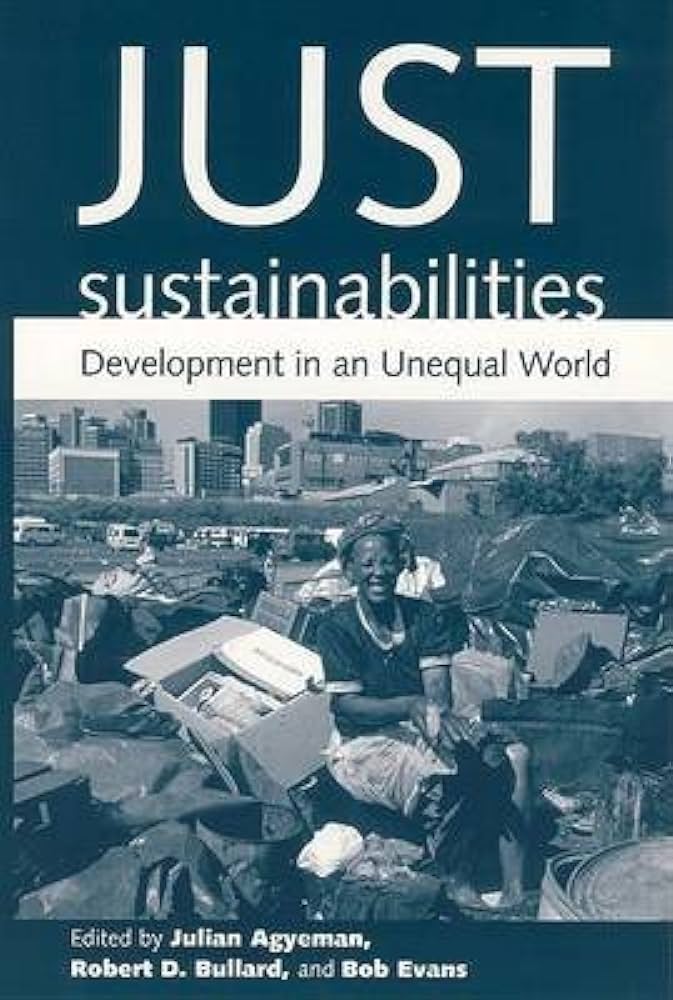
Just Sustainabilities: Development in an Unequal World by Julian Agyeman
Environmental activists and academics alike are realizing that a sustainable society must be a just one. Environmental degradation is almost always linked to questions of human equality and quality of life. Throughout the world, those segments of the population that have the least political power and are the most marginalized are selectively victimized by environmental crises. Just Sustainabilities argues that social and environmental justice within and between nations should be an integral part of the policies and agreements that promote sustainable development.